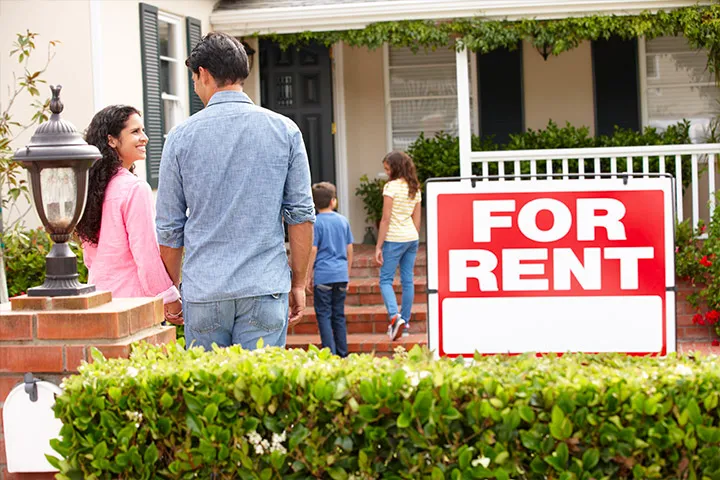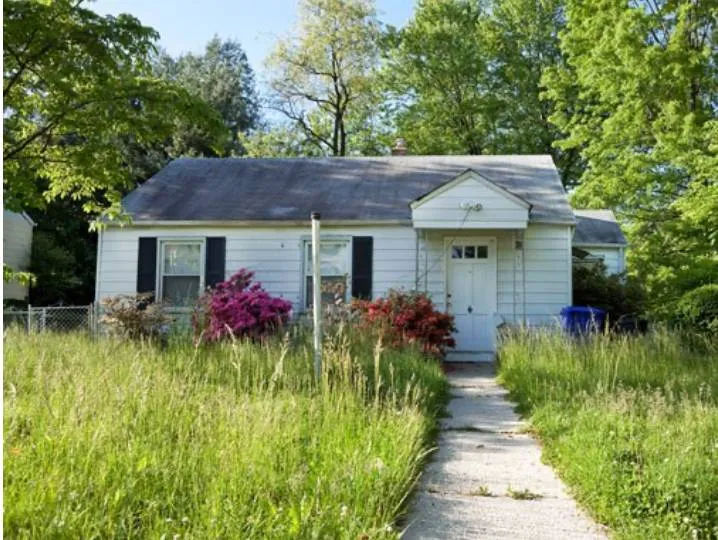
7 Warning Signs It’s Time to Sell Your Problem Property
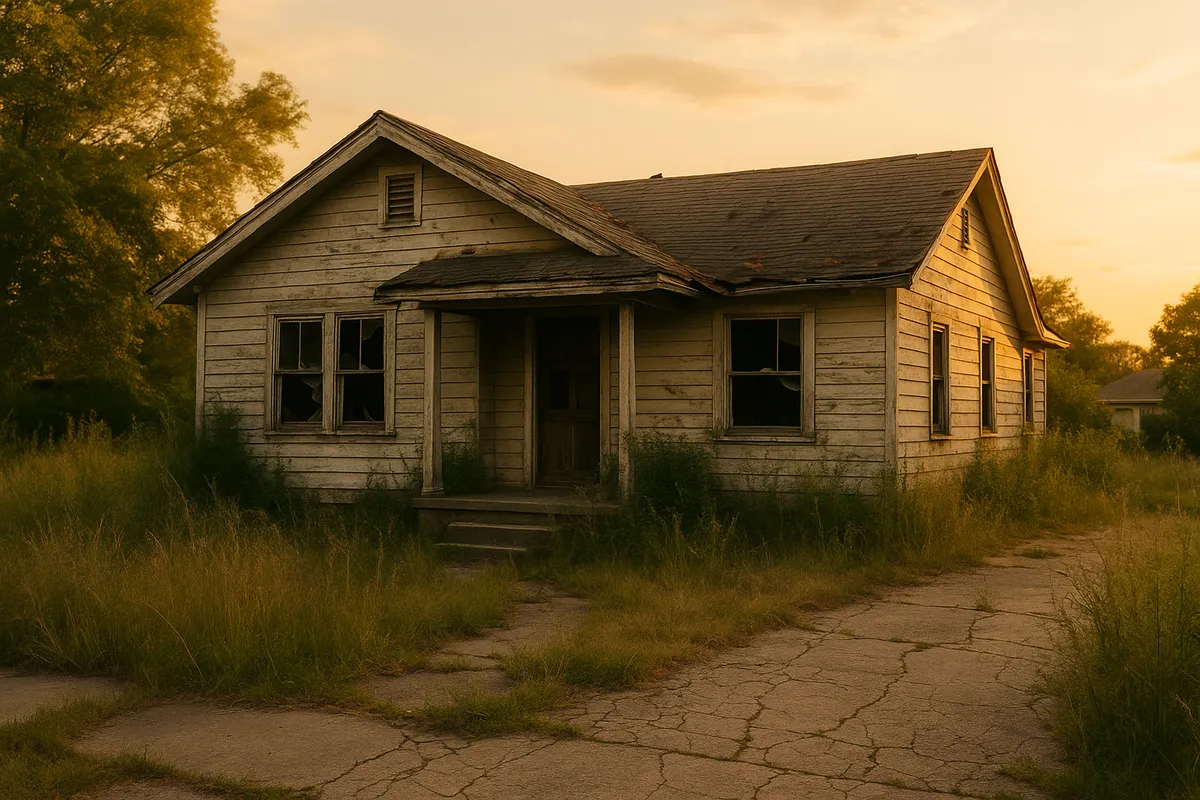
If your property is draining your finances, energy, or peace of mind, it might be time to sell. Here are the key signs that indicate it’s better to let go:
- Endless Repairs: Constantly paying for expensive fixes like foundation, roof, or HVAC issues can make ownership unsustainable.
- Tenant Troubles: Problem tenants, unpaid rent, or high vacancy rates can eat into your rental income.
- Rising Costs: Increasing property taxes, insurance premiums, and maintenance expenses can turn profits into losses.
- Declining Neighborhood: Crime rates, falling property values, or poorly maintained surroundings can hurt your investment.
- Life Changes: Divorce, foreclosure risk, or financial strain may force you to reconsider holding onto the property.
- Inherited or Distant Property: Managing a property from far away or navigating inheritance issues can be overwhelming.
- Legal or Environmental Problems: Unpermitted work, zoning violations, or hazards like asbestos can lead to costly compliance battles.
If any of these apply, selling – especially to a cash buyer – might provide a fast and stress-free solution. Cash sales often close in 7–14 days, helping you avoid further financial strain and move on quickly.
How to Sell a House With Structural Problems
::: @iframe https://www.youtube.com/embed/84O078bBoqo
:::
1. Expensive Repairs That Never End
Owning a property that constantly demands repairs can feel like a bottomless pit for your finances. The reality is that repair costs can spiral out of control, leaving you questioning whether the investment is worth it. In 2019, the average homeowner shelled out $4,832 on routine and emergency repairs[5]. For properties with persistent issues, that number can skyrocket, turning homeownership into a financial headache. When repair bills start stacking up month after month, it’s often a red flag that your property might be more trouble than it’s worth.
Carmen Bean, a leading real estate agent in San Antonio, Texas, puts it plainly:
“Sometimes a major renovation makes sense and sometimes not. An experienced real estate agent can evaluate your home’s value, run the comparable home sales (comps), and calculate the ROI to see if updating makes financial sense.”[6]
Major Structural Problems
Structural issues are some of the most expensive and stressful repairs homeowners face. Take foundation problems, for example. A small crack might cost around $500 to fix, but if the problem requires hydraulic piers, you’re looking at bills that can exceed $10,000[5]. Depending on the severity, foundation repairs can range anywhere from $250 to a staggering $50,000[4].
Roof repairs are another major expense. A simple patch-up might set you back $650, but replacing the entire roof typically costs between $5,250 and $10,500. For high-end materials, that price can soar to $12,000 or even $40,000[2][5]. Imagine spending $25,000 to replace the roof on a property valued at $150,000 – it’s hard to justify that kind of investment.
Basement issues are just as concerning. Nearly 98% of basements experience water damage at some point, with average repair costs hovering around $3,030. However, severe problems can run between $1,500 and $5,000, and that’s before factoring in mold remediation[4][5].
System Breakdowns
Beyond structural issues, system breakdowns can drain your wallet just as quickly. For instance, replacing an HVAC system costs an average of $7,000 but can climb as high as $15,000. Plumbing repairs vary widely, from a $200 quick fix for a leak to $6,500 for a major sewer repair. Rewiring an older home might cost anywhere from $4,000 to $15,000, and termite damage – treatment and repairs combined – can easily exceed $7,000[2][3][4][5].
When repair bills start piling up or you’re staring down multiple major repairs at once, selling might be your best option. Cash home buyers can close deals in as little as seven days, giving you a chance to walk away from escalating repair costs while still securing a fair price for your property.
2. Tenant Problems and Empty Units
Problem tenants and long-term vacancies can take a serious toll on your rental income. If you’re dealing with constant tenant issues or units that remain unoccupied for extended periods, it might be time to consider selling the property and moving on to more lucrative opportunities.
High Vacancy Rates
Vacant units are more than just empty spaces – they’re financial drains. Every day a unit goes unoccupied, you’re losing rental income while still paying for expenses like the mortgage, property taxes, insurance, and maintenance. For instance, a $1,500 per month rental could cost you $18,000 in lost income over a year if it stays vacant [7].
“Every moment a unit sits vacant, it impacts your bottom line.” – Apartment List [7]
In Q1 2024, the average vacancy rate for residential properties was 6.6%, with rates fluctuating between 6% and 7% throughout 2023, according to Landlord Studio [8]. While a 7% vacancy rate is considered typical, consistent vacancies can signal deeper issues. Even with low tenant turnover, vacant units rack up costs like utilities, taxes, cleaning, repairs, inspections, professional photography, and leasing agent fees [7]. Over time, these expenses chip away at your net operating income, potentially lowering your property’s value and refinancing options [7].
And it’s not just vacancies that hurt your bottom line – tenants who fail to pay rent can be just as costly.
Nonpaying or Problem Tenants
Tenants who don’t pay rent or cause repeated issues can quickly turn into financial and emotional burdens. Evictions, for example, cost landlords an average of $3,500, factoring in legal fees, court filings, and locksmith services. The process typically takes 3–4 weeks to resolve [9][10][11].
TransUnion reports that evictions often result in $2,540 in costs due to vacancy periods during the 2–3 month process, along with an additional $1,750 in turnover expenses [10]. Beyond the money, problem tenants bring added stress. Late payments disrupt cash flow, frequent complaints and poor communication eat up your time, and property damage from neglect can lead to expensive repairs. If lease violations occur, you may face lengthy documentation and legal battles [12].
Statistics show that evicted tenants are three times more likely to face eviction again. A TransUnion study of nearly 200 properties revealed that evicted tenants had three times as many previous eviction and rental-related collection records compared to those who weren’t evicted [10]. When managing tenant troubles becomes more work than it’s worth, the property might be more of a liability than an asset. In these cases, selling to cash home buyers can offer a clean break, freeing you to focus on investments with better potential.
3. Rising Property Taxes and Insurance Costs
In addition to the challenges of repairs and tenant issues, property investors are feeling the pinch from rising operating expenses. Property taxes and insurance premiums are climbing steadily, turning what were once profitable investments into financial liabilities.
Nationwide, property taxes rose by 6.9% in 2023. Bergen County, NJ, for instance, saw homeowners paying an average of just over $13,000 in 2022 alone [17]. At the same time, homeowners insurance premiums have skyrocketed – up 74% from the Great Recession through December 2024 – while home prices have increased by over 40% during the same period [16].
These rising costs have forced 68% of homeowners to increase their monthly payments, with 44% reporting significant financial strain when payments rise by just 25% [19]. For rental property owners, these escalating expenses eat directly into profit margins, potentially making properties unprofitable.
Insurance premiums have been particularly hard-hitting. In 2024, premiums jumped 23%, with high-risk areas like Florida seeing annual rates averaging $6,000 – far above the national average of $1,700. In some cases, monthly premiums are as high as $500 [15] [18] [19] [20].
“High tax burdens can play a major factor in whether buyers get priced out of a potential home purchase. For sure, it can dampen demand and, by extension, harm prices in some markets.” – Rob Barber, CEO of ATTOM [17]
Climate risks are also driving up costs. Insurance premiums have risen by 50% due to an increase in climate-related disasters. Over the past five years, the U.S. has averaged 18 billion-dollar climate events annually [13]. In response, many insurance companies have either raised rates significantly or exited certain markets entirely. This has left many homeowners relying on expensive residual markets for coverage [15] [16].
These growing expenses not only make homeownership more burdensome but also dampen property values. For example, two homes purchased at the same price can face drastically different tax bills, and regions with higher property taxes often experience slower property value growth [14].
The situation is no better for multifamily properties. From 2020 to 2023, insurance rates for these properties increased by 12.5% annually. Currently, 8% of homeowners with mortgages are paying more for taxes and insurance than for their principal and interest payments combined [15] [20]. Looking ahead, insurance premiums are expected to rise another 10% in 2025 and 8% in 2026 [20].
“We’re marching steadily toward an uninsurable future.” – Dave Jones, Former California Insurance Commissioner [21]
For many property owners, these escalating costs are the tipping point. When taxes and insurance make ownership financially unsustainable, selling becomes a practical solution. A cash home buyer offers a quick way out, allowing owners to sidestep further financial strain and reallocate their capital toward more promising opportunities.
4. Neighborhood Getting Worse
Sometimes the issue isn’t with your property itself – it’s the neighborhood around it. A declining neighborhood can turn even the best-kept home into a financial headache. When crime rates rise and property values sink, your investment becomes tougher to rent, sell, or profit from. These challenges often pile on top of other issues like costly repairs or tenant troubles. Let’s look at how falling property values and increasing crime rates can signal it might be time to sell.
Dropping Property Values
A declining neighborhood can drag down your property’s value. Even if your home is in great shape, its worth can plummet if comparable homes nearby start selling for less.
The statistics paint a clear picture. In Cleveland, Ohio, homes within 500 feet of a vacant, tax-delinquent, or foreclosed property lost 9.4% of their value. That’s about $23,500 on a $250,000 home. In Atlanta, Georgia, distressed vacant properties caused $55–$153 million in lost property values, slashing tax revenues by $1–$2.7 million each year [22].
Foreclosures also have a ripple effect. On average, neighboring home values drop by 1% for every 7% decrease in the value of a foreclosed home [23]. For instance, if a foreclosed property worth $250,000 loses value, nearby homes could see nearly a $10,000 drop just for being within a quarter-mile radius [23].
“A decline in property values is a more subtle, yet equally concerning, sign of neighborhood decline. As the overall desirability of the area diminishes, so does the value of homes, making it difficult for residents to sell or refinance their properties.” – Teddi Schill, Founder of Raleigh Area Property Group [24]
To keep tabs on your neighborhood’s health, monitor property values using tools like Zillow’s Zestimate [24]. If you notice a steady decline over several months, it might be time to consider your options before values drop even further.
Safety and Living Concerns
Falling property values aren’t the only red flag. Safety concerns can make your property even less appealing. Buyers and renters often prioritize a neighborhood’s safety when deciding where to live [25]. As crime rates climb, attracting tenants or selling at market rates becomes increasingly difficult.
The numbers show the impact. In Austin, Texas, areas near unsecured vacant buildings experienced a 3.2x increase in drug-related calls, theft calls went up by 1.8x, and violent crime calls doubled [22]. These safety concerns make properties in those areas far less desirable.
“Property crimes like vandalism and theft, as well as violent offenses, signal a decline in law and order, eroding the sense of safety and security among residents.” – Teddi Schill, Founder of Raleigh Area Property Group [24]
Crime doesn’t just affect property values – it also increases costs for landlords. Damage from vandalism, burglaries, and other criminal activity can add up [26]. High-crime neighborhoods often struggle to attract reliable tenants, leading to longer vacancies and lower rental income.
Research shows that improving the perceived safety of a home by even one standard deviation can increase its value by $757 [27]. On the flip side, areas with both high crime rates and a strong fear of crime tend to have significantly lower housing values [27].
Signs of neighborhood decline to watch for include poor maintenance of nearby properties, rising crime rates, more rental properties, extended vacancies, and businesses leaving the area [24]. Vacant and abandoned properties can also contribute to physical health risks, emotional stress, and increased violence and crime [22].
If your neighborhood is showing multiple signs of decline, holding onto your property may lead to greater financial losses over time.
sbb-itb-abdaf78
5. Money Problems or Life Changes
Life has a way of throwing unexpected challenges, and sometimes, what once felt like an asset can quickly become a financial strain. Personal financial struggles or sudden life changes can make owning property feel more like a burden than a blessing. Whether it’s difficulty keeping up with mortgage payments or navigating a major life shift, holding onto a problematic property often worsens the situation.
A 22% rise in foreclosure filings nationwide illustrates just how common these challenges have become [28].
Divorce or Separation
Divorce often complicates shared property ownership. When a couple decides to part ways, dividing assets becomes a priority, and real estate is frequently the most difficult piece of the puzzle. The emotional toll of divorce, combined with the logistical need to sell shared property, makes a quick sale an appealing option.
“Selling your house can be stressful in itself, but it can be especially complicated and stressful when going through a divorce.” – Victoria Araj, Staff Writer for Rocket Companies [30]
For married couples selling a home, there’s a tax benefit: up to $500,000 in profit can be excluded from federal capital gains taxes. However, after a divorce, this exclusion drops to $250,000 if you’re filing as a single individual [31]. This tax difference can significantly affect the timing of a sale.
Selling property during a divorce often requires specific agreements. Both parties must decide on crucial details, such as who will cover mortgage payments, taxes, and insurance while the home is on the market, what the asking price should be, and which real estate agent to hire [32]. These decisions can be contentious, especially when emotions run high.
“Establishing open communication between the two parties can go a long way toward making the process run as smoothly as possible.” – Victoria Araj, Staff Writer for Rocket Companies [30]
In some cases, a judge may order the sale of a home to ensure an equitable division of marital property [33]. These situations underscore how financial and emotional upheavals can demand swift action.
Foreclosure Risk
Financial hardships can also threaten property ownership. When making mortgage payments becomes impossible, foreclosure looms as a very real risk. Common triggers include job loss, reduced income, medical bills, or overwhelming personal debt [28].
Adjustable-rate mortgages (ARMs) with rising interest rates or an underwater mortgage – where the home’s value is less than the loan balance – can make payments unmanageable. Personal debts, like credit card balances, student loans, and car payments, can further strain finances, pushing mortgage payments to the back burner.
“Ignoring financial challenges can lead to drastic consequences.” – Tom Goyda, Wells Fargo senior vice president, consumer lending communications [29]
An underwater mortgage often tempts homeowners to abandon the property entirely, leading to foreclosure and long-term financial damage. Research shows that foreclosure can reduce a property’s selling price by 12-19%, potentially costing tens of thousands of dollars compared to selling before foreclosure proceedings start [28].
Selling to a cash buyer can be a lifeline for those facing foreclosure. Cash sales can close in as little as seven days, a stark contrast to the months it takes for traditional sales [34]. This speed can be critical when foreclosure deadlines are looming.
“With cash, it turns into an easy transaction where the seller doesn’t have to be stressed out. It just takes all that pressure off the seller.” – Mark Abdel, Real Estate Agent [1]
Cash sales simplify the process, sparing homeowners from the stress of staging, showings, and the uncertainty of financing approvals. While selling to a cash buyer may result in receiving 50-70% of the property’s market value, it can prevent the much steeper financial and emotional losses associated with foreclosure [1]. When foreclosure is on the horizon, protecting your equity and credit score should be the top priority.
6. Inherited Properties or Long-Distance Ownership
Inheriting a property or owning real estate far from where you live can quickly turn what seems like an asset into a headache. Whether it’s a family home passed down to you or an investment property in another state, the challenges of managing it from a distance can pile up fast. These challenges often come in the form of logistical hurdles and management headaches.
For estates valued over $13.99 million in 2025, the federal estate tax applies, but even smaller inherited properties can bring financial and emotional strain [35]. States like Kentucky and New Jersey further complicate matters with inheritance tax rates as high as 16 percent, adding to the financial burden [35].
Management Problems
Inherited properties often come with a mix of legal, financial, and emotional challenges. Just dealing with the probate process can drag on for months, delaying important decisions while the property continues to age and rack up costs. If multiple heirs are involved, things can get even messier. Disputes over whether to sell, rent, or keep the property can lead to long-standing family conflicts and even legal battles [36].
“If you inherit the house with others, you will all need to agree on a course of action.” – Empathy’s Estates Specialists [38]
On top of that, inherited properties often hide unexpected financial obligations. For instance, landlord insurance can cost up to 25 percent more than a standard homeowners policy for the same property [35]. Local zoning laws or historical preservation requirements might restrict what you can do with the property, making renovations or renting it out more complicated [37][39]. And then there’s the matter of upkeep – keeping the property in good condition is essential for maintaining its value, but that’s hard to do if you lack the time, skills, or connections to manage it properly [35][37].
“Get in the habit of setting aside a certain amount per month to put toward property taxes.” – Bryan P. Koepp, Wealth Planning Executive for Regions Private Wealth Management [35]
Travel and Distance Issues
Owning property far from home adds another layer of difficulty. Being miles away makes it harder to stay on top of maintenance, check on tenants, or deal with small repairs before they turn into bigger problems. A leaky faucet or a broken window might seem minor, but if left unattended, these issues can snowball into costly damage [41].
To manage from afar, you’ll need a reliable local team. But finding trustworthy contractors, property managers, or maintenance professionals isn’t easy when you’re not there to vet them in person. Communication becomes tricky too, making it harder to keep up with market trends, tenant updates, or changes in the neighborhood [40][42]. If tenants miss payments or the property sits vacant, the financial pressure mounts quickly. Add in travel costs for periodic visits, and the challenges of long-distance ownership can feel overwhelming [41].
“The key to successful out-of-state investing is building a strong local team you can trust. Having reliable people on the ground acting as your eyes and ears is absolutely essential.” – Kent Clothier Sr., CEO of REI Nation [41]
For many, selling to a cash buyer offers a way out of these challenges. Cash sales are fast, typically closing in 7–21 days compared to the 60–90 days required for traditional transactions [45]. This speed can be a lifesaver when multiple heirs need to settle an estate quickly or when ongoing expenses are draining your resources. Plus, cash buyers often purchase properties as-is, saving you from repairs, renovations, or staging [43][44]. They also provide flexibility in picking a closing date, making it easier to align the sale with estate matters or your personal schedule.
7. Legal or Environmental Problems
Legal and environmental issues can turn a property from an asset into a burden, making selling a more appealing option. Hidden risks, like asbestos or lead-based paint in homes built before 1980, can lead to expensive compliance battles down the line [48].
“Environmental issues routinely arise in all types of real estate transactions… Managing the associated risks is almost always possible. The bigger challenge tends to be initially spotting environmental issues.” [46]
Unpermitted additions are another common problem, affecting 40% to 50% of homes [49]. Whether it’s a deck, a finished basement, or a garage conversion done without the proper permits, these additions can create big headaches. Buyers often worry about safety, and lenders may refuse to approve mortgages for properties with unapproved work [49].
Zoning violations can complicate matters further. Running a business from a residential property, making illegal unit conversions, or building additions that violate setback rules can lead to enforcement actions from local authorities. Real estate attorney David Roberson notes:
“If it’s a hot market, then there may be a negligible effect. If it’s a buyer’s market, then buyers gain significant leverage.”
Environmental hazards like mold, asbestos, radon, or lead contamination are even more serious. These not only pose health risks but can also lead to long-term financial liabilities. For instance, old underground storage tanks or industrial activity might leave behind soil contamination that requires costly cleanup. Ignoring these issues could result in legal claims if future tenants or buyers suffer health problems.
“Failure to identify and address such issues may result in parties unknowingly assuming substantial liabilities.” [46]
Compliance Costs
Dealing with legal and environmental issues can quickly drain your finances. Fines for unpermitted work range from $500 to $5,000, and obtaining retroactive permits often means bringing the work up to current code, which can be expensive [50].
Environmental cleanup costs vary widely. Moderate cases might cost between $1,000 and $5,000, while severe contamination can run over $10,000 [53]. Violations related to lead paint can result in federal fines exceeding $15,000 per violation [52].
Delays in securing retroactive permits can extend your holding costs. Buyers generally expect to close within 45 days, but if you’re dealing with a major retroactive permit issue, like a basement renovation, it could take weeks or even months to resolve. Real estate agent Shawn Engel explains:
“Buyers are looking to close usually within 45 days. And if you have a big retroactive inspection permit situation, like on a basement finish, you could be looking at several weeks to a few months to get all of those t’s crossed and i’s dotted.” [49]
During these delays, you’ll still be on the hook for expenses like property taxes, insurance, utilities, and maintenance, even if your property isn’t generating income. On top of that, professional fees for environmental assessments, legal advice, and contractors can add up fast. For example, a Phase I environmental assessment involves initial investigations, while a Phase II assessment digs deeper into soil and groundwater testing [47].
Selling as a Solution
Faced with these mounting costs, selling your property as-is can be a practical way out. Cash buyers, in particular, offer a quicker solution. Unlike traditional buyers who need mortgage approval and a fully compliant property, cash buyers often purchase properties “as-is”, taking on the responsibility for remediation and compliance themselves [51]. This not only saves you from months – or even years – of costly repairs but also speeds up the closing process, helping you avoid further expenses.
Of course, you’re still required to disclose any known environmental hazards or legal issues to cash buyers [53]. However, experienced cash buyers are usually prepared for these challenges and factor them into their offers. Real estate agent Shawn Engel highlights the importance of transparency:
“I’ve found over and over in the past 33 years that I’ve practiced real estate that disclosure really puts out any potential issues almost immediately. And with buyers, it scores big points with them.” [49]
Brett Johnson from New Era Home Buyers explains how cash buyers calculate their offers:
“For sellers looking for a quick, as-is sale, be prepared for lower offers. My offers reflect the home’s potential value post-repairs, minus transaction costs and my profit margin.” [54]
While cash offers typically amount to about 65% to 70% of the property’s after-repair value [54], this trade-off can make financial sense. The savings from avoiding extended remediation, legal fees, and ongoing liabilities can often outweigh the lower sale price in the end.
Conclusion: Is It Time to Sell Your Problem Property?
Looking at the warning signs, it’s clear that holding onto a troublesome property can often cost more than it’s worth. Persistent repairs, challenging tenants, soaring expenses, neighborhood issues, financial strain, inherited properties, or legal and environmental complications – each of these can chip away at both your property’s value and your peace of mind.
In 2023, about 56,000 homes were sold for cash – an all-time high over the past 25 years [56]. In fact, all-cash offers made up 24% of all home sales in the U.S. during 2022 [57]. This trend shows what many property owners are realizing: sometimes, selling quickly is the smartest decision.
Hanging onto a problem property often feels like pouring money into a bottomless pit. Traditional sales can drag on, racking up costs like property taxes, insurance, utilities, and maintenance while you wait. On the other hand, selling quickly can cut these expenses and save you from spending on staging, repairs, or marketing.
The benefits are more than financial. A fast sale brings immediate relief – no realtor fees, no drawn-out negotiations, and no waiting for buyers to secure financing. As Sarah T., a satisfied seller, put it:
“Selling your home was the best decision I made during a very stressful time. I avoided foreclosure and quickly moved on to a new chapter in my life.” [57]
Problem properties don’t just drain your wallet – they drain your energy and hold you back from moving forward. A quick cash sale can transform a frustrating burden into a financial win, giving you the freedom to focus on your goals.
Take a close look at your situation and seek advice from professionals to ensure a quick sale aligns with your financial strategy [55]. If your property is showing any of these red flags, don’t wait for things to get worse. Acting now can help you avoid further financial stress and gain the peace of mind you deserve. Selling today could be the key to a fresh start and a lighter load.
FAQs
::: faq
What are the advantages of selling a problem property to a cash buyer instead of through a traditional sale?
Selling a problem property to a cash buyer offers several clear advantages over the traditional route. First and foremost, there’s speed. Cash sales can close in as little as 7 to 14 days, a stark contrast to the typical 30 days or more it takes with traditional sales. Without the need for mortgage approvals or lengthy underwriting, the process moves along much faster.
Another big plus? Cash buyers usually purchase properties as-is. That means no costly repairs, no renovations, and no need to stage the home. If your property needs significant work, this can save you both time and money – not to mention the stress that often comes with fixing up a home.
Finally, cash sales offer more certainty. You don’t have to worry about financing contingencies or the deal falling apart because a buyer’s loan didn’t get approved. For anyone eager to move on from a property that feels more like a burden than a benefit, this straightforward option can be the perfect solution.
:::
::: faq
How do I know if my property’s repair costs are too high to keep it?
If you’re wondering whether the cost of repairs is too steep to justify holding onto your property, it’s important to weigh a few critical factors. Start by comparing repair costs to the potential increase in property value. For example, if you spend $30,000 on repairs but they only boost your home’s value by $15,000, selling might be the smarter financial move.
Pay attention to recurring repair issues. If you’re constantly fixing the same problems, it could indicate underlying issues that aren’t worth the continued investment. Additionally, think about how these expenses are impacting your budget. A good guideline is this: if your annual repair costs are more than 1% of your property’s total value, it might be time to consider selling.
In such situations, selling to a cash home buyer could offer a fast and straightforward way out, especially if the property has become a financial strain.
:::
::: faq
What should I do if my property’s declining neighborhood is lowering its value?
If your property’s value is taking a hit due to a struggling neighborhood, there are steps you can take to safeguard your investment. Start by thoroughly assessing your property’s condition and tackling any much-needed repairs. Fix problems like leaks, structural issues, or outdated features to help maintain its appeal and value. Skipping maintenance can lead to further depreciation, which is the last thing you want.
If selling feels like the right move, think about pricing your home competitively for the local market. Selling the property as-is could be a smart option to draw in cash buyers who might be less concerned about the neighborhood’s challenges. This strategy can save you time, cut down on extra costs, and provide a quicker financial solution – especially if holding onto the property no longer makes sense.
:::